Setting New Year’s Goals After Brain Injury: Hope & Planning for Recovery

Introduction
As the New Year approaches, many of us naturally reflect on the past twelve months and look toward the future with hope and intention. For brain injury survivors, this transition can be particularly meaningful, and sometimes complex. At Brain Injury Therapy, we understand that the New Year represents more than a calendar change; it's an opportunity to acknowledge your progress, honor your journey, and thoughtfully plan the next steps in your recovery.
The impulse to set New Year's resolutions is deeply human, rooted in our brain's capacity for neuroplasticity—the remarkable ability to form new neural connections and adapt throughout life. Neuroplasticity allows your brain to heal and reorganize after injury, which is what makes goal-setting such a powerful tool in rehabilitation. However, we also recognize that traditional "New Year, New You" messaging can feel overwhelming or even discouraging when you're navigating the nonlinear path of brain injury recovery: "New Year, New Who?"
Research demonstrates that individuals recovering from traumatic brain injury (TBI) benefit significantly from structured, personalized goal-setting as part of their rehabilitation process. Studies show that when goals are relevant, functional, and personally meaningful, survivors engage more deeply in therapy and experience greater satisfaction with their progress. Yet approximately 30-50% of individuals with TBI also experience mood changes, including depression and anxiety, which can complicate motivation and goal pursuit. This is why at Brain Injury Therapy, we approach New Year goal-setting through a trauma-informed, neuroscience-grounded lens, one that emphasizes self-compassion, realistic expectations, and the celebration of incremental progress rather than perfection.
Whether you're in the early stages of recovery or years post-injury, whether you're feeling hopeful or hesitant about the year ahead, this guide will help you create goals that honor where you are right now while supporting your individual progress. We'll explore the neuroscience of goal-setting, provide practical frameworks for creating achievable objectives, and offer strategies for sustaining motivation through the winter months when enthusiasm naturally wanes.

The Neuroscience & Value of Goal-Setting in TBI Recovery
Goal-setting isn't just motivational psychology; it's also a clinical intervention that leverages fundamental principles of brain healing and rehabilitation. Understanding why goals matter can help you approach the process with confidence and clarity.
Neuroplasticity: Your Brain's Built-In Recovery System
When you set and work toward a goal, you're not just checking items off a list—you're actively engaging your brain's neuroplastic potential. Neuroplasticity refers to the brain's ability to reorganize itself by forming new neural connections throughout life. After a brain injury, certain pathways may be damaged or disrupted. Through consistent, focused practice (exactly what goal-directed behavior provides), your brain can strengthen existing pathways and create new ones to compensate for injured areas.
Research in neurorehabilitation demonstrates that repetitive, task-specific practice, the kind you engage in when pursuing concrete goals, activates neuroplastic changes most effectively. This is why rehabilitation therapists emphasize functional goals: Practicing a specific skill repeatedly provides the neural stimulation necessary for recovery. Put more simply, the more you do something, the more experience your brain has doing it, which makes it faster, stronger, and smoother when you need to do it again. The New Year offers a natural checkpoint for identifying which skills or functions you want to target and teach your brain next.
Structure, Hope, and the Executive Function Connection
Goals provide cognitive structure during a time that can feel chaotic and unpredictable. They help organize your rehabilitation efforts, guide therapy planning, and offer concrete markers of progress. For many survivors, the emotional benefit of goal-setting is equally important: Goals foster hope, which research shows is a significant predictor of positive outcomes in TBI recovery, and psychotherapy as a whole.
However, it's important to acknowledge that brain injury often affects the very skills needed for effective goal-setting, namely, executive functions such as planning, organization, self-monitoring, and initiation. This is a consequence of how TBI can impact the prefrontal cortex and related regions, not a character flaw. This is precisely why we recommend collaborative goal-setting: Working with therapists, family members, or trusted supports to develop realistic objectives that account for your current cognitive profile and support network.
The Reality of Nonlinear Recovery
While goals provide direction, it's essential to approach them with flexibility. TBI recovery is rarely linear, ;you may have periods of rapid progress followed by plateaus, setbacks, or symptom flares. Research indicates that recovery timelines vary dramatically based on injury severity, location, age, pre-injury health, number of brain injuries, access to rehabilitation, and many other factors. Some improvements occur within weeks or months, while others unfold over years. We know this can feel scary to hear. We want to be honest and accurate in our brain injury education. Please reach out for support here at Brain Injury Therapy, or scroll to the bottom for support resources.
The goal isn't to pressure yourself into unrealistic timelines but to create a framework that supports consistent effort while honoring your brain's need for rest, recovery, and adaptation. This approach aligns with what researchers call "optimal challenge," setting goals that stretch your abilities without overwhelming your system.
How to Create Realistic, Motivating Goals After Brain Injury
Effective goal-setting after brain injury requires a balance between ambition and achievability. The following step-by-step framework will help you develop goals that are personally meaningful, clinically sound, and sustainable throughout the year (it's ok to fall off track!).
Step 1: Reflect on Your Recovery Journey
Before looking forward, take time to look back. Reflection builds self-awareness and helps you recognize progress that might otherwise go unnoticed. In the brain injury community, we often focus so intensely on what we can't do yet that we overlook what we can do now that we couldn't six months ago.
Consider these reflection prompts:
What skills or functions have improved since my injury, even slightly?
What coping strategies have I learned that help me manage symptoms?
What small victories did I experience this past year?
What have I learned about my body's needs, my triggers, and my resilience?
Write down your observations. Sometimes it is helpful to ask others what they have noticed too. This exercise activates positive neuroplasticity, the brain's tendency to strengthen neural patterns associated with positive experiences and emotions. We learn best when we feel good! It also provides a foundation of self-compassion from which to build new, realistic and self-aware goals.
Step 2: Identify What Matters Most Right Now
Effective rehabilitation goals are client-centered, meaning they reflect your values, priorities, and current life circumstances rather than what you think you "should" accomplish or what others expect of you. Research consistently shows that self-selected goals lead to greater motivation and better outcomes than goals imposed by others.
Ask yourself:
What do I have control over in my life?
Of those things I have control over, which aspect of my life do I want to improve right now?
What would make the biggest positive difference in my daily routine and quality of life?
What activities or roles are most important to my identity and sense of purpose?
What does "meaningful progress" look like for me?
Your priorities might include physical function (mobility, endurance, coordination), cognitive abilities (memory, attention, processing speed), emotional regulation, social connection, returning to work or school, regaining independence in daily activities, filing for disability support, or pursuing hobbies and interests. There's no hierarchy of importance. What matters is what matters to you.
Step 3: Apply the SMART Framework (Adapted for Brain Injury)
The SMART goal framework stands for Specific, Measurable, Achievable, Relevant, and Time-bound. It is widely used in rehabilitation settings because it transforms vague intentions into actionable objectives. However, we recommend adapting this framework to account for the unique challenges of brain injury recovery.
Specific
Instead of "improve my memory," try: "Use my smartphone calendar to track all appointments and take a photo of where I park my car each time I drive somewhere."
Specificity provides clarity about exactly what you're working toward and makes it easier to know when you've achieved the goal.
Measurable
Include concrete criteria for tracking progress. For example: "Practice cognitive exercises on my therapy app for 15 minutes, three times per week" or "Walk for 20 minutes continuously without needing to rest, three days per week by March 1st."
Measurement allows you to celebrate small wins and adjust your approach if needed. If you miss a target, it's data for learning, not evidence of failure.
Achievable
This is where trauma-informed care becomes essential. Your goal should challenge you without overwhelming your nervous system or triggering symptom exacerbation. Consider your current baseline functioning and set targets slightly above that level.
If you currently tolerate 30 minutes of screen time before experiencing visual fatigue or a headache, an achievable goal might be to increase to 45 minutes by February (not 3 hours by next week). If you're working on memory, start with strategies for remembering three pieces of information before attempting to recall an entire grocery list.
Consult with your rehabilitation team: Occupational therapists, speech therapists, neuropsychologists, and physiatrists can help assess whether goals are appropriately calibrated to your current abilities.
Relevant
Your goal should align with your larger life objectives and current priorities. If returning to work is important, relevant goals might include improving sustained attention, practicing social communication, or gradually building stamina for longer periods of cognitive activity.
If social connection is your priority, relevant goals could include attending one social gathering per month, maintaining a phone conversation for 20 minutes, or joining an online brain injury support group.

Time-bound (with Flexibility)
Setting a timeframe creates accountability and helps you gauge whether your approach is working. However, given the unpredictable nature of brain injury recovery, we recommend building in flexibility.
Instead of rigid deadlines, consider setting "check-in dates." For example: "By March 1st, I'll assess my progress on this goal and adjust if needed" rather than "I must complete this by March 1st." This approach reduces anxiety while maintaining structure.
Some survivors find that setting very short-term goals (weekly or bi-weekly) works better than long-term objectives, especially early in recovery when symptoms fluctuate significantly.
Step 4: Break Down Big Goals into Manageable Sub-Goals
Large objectives can feel overwhelming and may inadvertently activate your nervous system's stress response, which is counterproductive to healing. Breaking goals into smaller, sequential steps makes progress feel achievable and provides frequent opportunities for positive reinforcement.
Example
Big Goal: Return to part-time work by June
Sub-goals might include:
January: Meet with vocational rehabilitation counselor to discuss workplace accommodations and timeline
February: Practice sitting at a desk and using a computer for progressively longer periods (starting with 30 minutes, increasing by 15 minutes weekly as tolerated)
March: Volunteer 4 hours per week in a low-stress environment to build stamina and practice social interaction
April: Complete cognitive testing with neuropsychologist to identify strengths and areas needing support; begin implementing compensatory strategies
May: Have conversation with employer about phased return-to-work plan with specific accommodations
June: Begin part-time work schedule (if all previous steps indicate readiness)
Each sub-goal is achievable on its own, and together they create a pathway toward the larger objective. This approach also allows for adjustment, if February's sub-goal proves too ambitious, you can modify the timeline for subsequent steps.
Step 5: Identify Tools, Resources, and Support Systems
You don't have to pursue your goals alone. In fact, research on brain injury rehabilitation emphasizes the importance of collaborative care and social support in optimizing outcomes.
Consider:
Tracking tools: Recovery journals, goal-tracking apps, or simple calendars to document progress
Therapeutic support: Discuss your goals with your occupational therapist, speech therapist, physical therapist, neuropsychologist, or counselor. They can ensure goals are safe and aligned with your treatment plan
Accountability partners: A trusted friend, family member, support group, or online community member who can check in regularly
Adaptive equipment or technology: Memory aids, timers, organizational apps, or assistive devices that support goal achievement
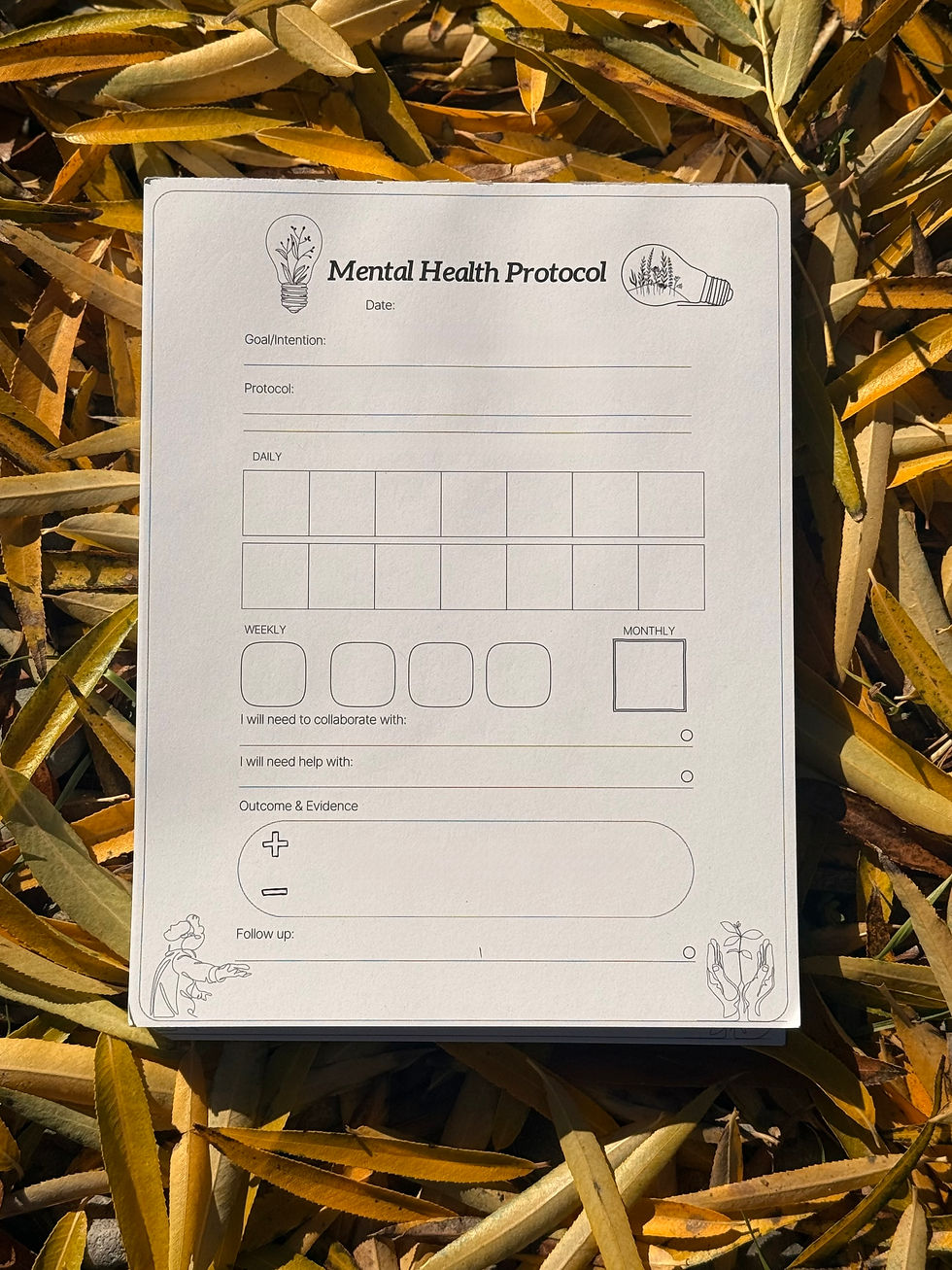
Brain Injury Therapy resources: Our free goal-setting worksheets and mental health protocols can provide structure for tracking and reflection
Involving your clinical team isn't just about safety and accountability, it's about leveraging their expertise to identify the most effective strategies for achieving your objectives.
Step 6: Anticipate Obstacles and Plan Coping Strategies
A trauma-informed approach to goal-setting acknowledges that setbacks are likely and prepares for them in advance. Common barriers in brain injury recovery include:
Cognitive fatigue: Mental exhaustion that limits sustained effort
Physical fatigue: Low energy or stamina
Symptom flares: Periods when headaches, dizziness, sensory sensitivity, or other symptoms worsen
Mood fluctuations: Days when depression, anxiety, or frustration feel overwhelming
Memory challenges: Forgetting to follow through on goal-related tasks
Executive function difficulties: Trouble with initiation, planning, or organization
For each potential obstacle, create an "if-then" coping plan:
If I experience a fatigue flare, then I will allow myself to rest for a day and resume my goal activities the next day without self-criticism.
If I forget to practice my memory strategies, then I will set phone reminders at specific times each day.
If I feel discouraged by slow progress, then I will review my reflection journal to remind myself how far I've come, and reach out to my support group.
This proactive approach reduces the likelihood that a single setback will derail your entire goal.
Step 7: Celebrate All Progress, No Matter How Small
The brain's reward system, particularly the neurotransmitter dopamine, plays a crucial role in motivation and goal pursuit. Every time you acknowledge and celebrate progress, you activate this reward circuitry, which reinforces the behaviors that led to success. Again, we learn best when we feel good!
Celebration doesn't have to be elaborate. It can be as simple as:
Checking off a completed task on your calendar
Sharing your achievement with a friend or support group
Taking a moment to mindfully acknowledge the effort you made
Treating yourself to a favorite (brain-healthy) activity or food
Noting the win in your recovery journal
Remember, in brain injury recovery, effort is as worthy of celebration as outcomes. Showing up and trying, even when progress feels slow, is an achievement in itself.
Example Goals and Resolutions for Brain Injury Recovery
To illustrate how these principles translate into practice, here are several examples of SMART goals tailored to different aspects of recovery. Use these as inspiration and adapt them to your unique circumstances and priorities.
Cognitive Goals
Memory: "I will set phone alerts for all medications and appointments. By February 1st, I'll have gone two full weeks without missing a dose or appointment."
Attention/Concentration: "I will practice sustained attention by reading for 15 minutes daily without distraction. Every Sunday, I'll note my progress. By March 1st, I aim to increase to 30-minute reading sessions."
Processing Speed: "I will complete three levels of my cognitive therapy app focusing on processing speed exercises, three times per week. I'll track my completion times to monitor improvement."
Physical Goals
Endurance: "Starting in January, I will walk for 10 minutes three times per week. Every two weeks, I'll add 5 minutes if I'm tolerating the current level well. By May, my goal is 30-minute walks."
Balance: "I will practice balance exercises from my physical therapy home program for 10 minutes, four days per week. I'll use my phone timer and record completion in my planner."
Social/Emotional Goals
Social Connection: "I will attend one brain injury support group meeting per month, either in-person or online, and will reach out to at least one person from the group between meetings."
Emotional Regulation: "When I notice feeling overwhelmed or agitated, I will use my three-step grounding technique (name 5 things I see, 4 I hear, 3 I can touch). I'll track how often I remember to use this strategy and how effective it feels."
Activities of Daily Living (ADL) Goals
Meal Preparation: "I will prepare one simple meal independently each week, starting with recipes that have three ingredients or fewer. By April, I aim to prepare meals with up to five ingredients."
Time Management: "I will create and follow a daily routine checklist for morning activities (medication, breakfast, grooming). Each evening, I'll review what I completed and adjust the plan if needed."
Caregiver Goals
Self-Care: "I will attend one caregiver support group meeting per month and will schedule at least three hours per week of respite care so I can rest or pursue personal activities."
Education: "I will read one article or watch one webinar per month about brain injury caregiving strategies to better support my loved one's recovery. I'll share what I learn with our rehabilitation team."
The New Year Recovery Goal-Setting Protocol
To help you implement these concepts, we've created a simplified protocol you can use immediately and easily break up into short effort loads:
The 7-Step New Year Goal-Setting Protocol
STEP 1: REFLECT (10-15 minutes)
Write down three improvements or successes from the past year, no matter how small. Consider physical, cognitive, emotional, and social domains.
STEP 2: IDENTIFY PRIORITIES (5-10 minutes)
Choose 1-3 areas of functioning that matter most to you right now. Don't try to address everything at once.
STEP 3: CREATE SMART GOALS (15-20 minutes)
For each priority area, write one goal using the SMART framework:
Specific: What exactly will I do?
Measurable: How will I track progress?
Achievable: Is this realistic given my current abilities?
Relevant: Does this align with what matters to me?
Time-bound: When will I check my progress?
STEP 4: BREAK INTO SUB-GOALS (10 minutes)
Divide each main goal into 3-5 smaller steps that you can tackle one at a time.
STEP 5: IDENTIFY SUPPORT (5 minutes)
List the tools, people, and resources that will help you succeed. Share goals with at least one supportive person.
STEP 6: PLAN FOR OBSTACLES (10 minutes)
Write down likely barriers and create "if-then" plans for each.
STEP 7: SCHEDULE REVIEWS (5 minutes)
Mark your calendar for monthly goal reviews. At each review, celebrate progress and adjust as needed.
Total time investment: 60-75 minutes to set yourself up for a year of meaningful progress
Consider completing this protocol with your therapist, a trusted family member, or a friend who understands your recovery journey. Having support during the planning process often leads to better outcomes. Remember, a little progress over a long time is a LOT of progress!

TL;DR: Key Takeaways
Neuroplasticity makes recovery possible: Your brain can continue healing and forming new connections through goal-directed practice, even years after injury.
Use the SMART framework adapted for brain injury: Goals should be Specific, Measurable, Achievable, Relevant, and Time-bound (with flexibility built in for the unpredictable nature of recovery).
Start with reflection: Acknowledge your progress before setting new goals. This builds self-compassion and realistic expectations. We learn best when we feel good!
Break big goals into manageable sub-goals: Small, sequential steps prevent overwhelm and provide frequent opportunities for success and positive reinforcement.
Collaborate with your clinical team: Therapists can help ensure goals are safe, achievable, and aligned with your rehabilitation plan.
Anticipate obstacles and create coping plans: Prepare for symptom flares, fatigue, mood changes, and other common barriers with "if-then" strategies.
Build accountability systems: Partner with friends, support groups, or therapy teams to maintain motivation throughout the year.
Practice self-compassion when progress stalls: Recovery is nonlinear. Setbacks are normal, not evidence of failure.
Address winter's impact on mood and motivation: Increase light exposure, maintain social connection, and monitor for seasonal mood changes that may require clinical intervention.
Celebrate all progress: Small wins activate your brain's reward system and build momentum toward larger goals.
Frequently Asked Questions
Can people with brain injuries make New Year's resolutions?
Yes, absolutely. In fact, goal-setting is a core component of brain injury rehabilitation and can be especially meaningful when aligned with personally relevant priorities. The key is to approach resolutions differently than you might have before your injury, with more flexibility, self-compassion, and realistic timelines. Research shows that survivors who set functional, achievable goals experience greater motivation and better rehabilitation outcomes. At Brain Injury Therapy, we encourage goal-setting as a tool for hope and structure, while emphasizing that goals should honor your current abilities and account for the unique challenges of brain injury recovery.
What are realistic goals after a brain injury?
Realistic goals after brain injury depend entirely on your individual circumstances: injury severity, time since injury, current symptoms, available support, and personal priorities. Generally, realistic goals are those that:
(1) represent a modest improvement over your current baseline functioning,
(2) can be broken into smaller, achievable steps,
(3) account for symptoms like fatigue or cognitive challenges, and
(4) align with your rehabilitation team's recommendations.
Examples might include improving short-term memory by using one new compensatory strategy daily, increasing walking endurance by 5 minutes per week, or practicing a social skill in one low-stress setting per month. The "SMART" framework helps ensure goals are realistic rather than overwhelming.
How do I stay motivated when my brain injury recovery feels slow?
Sustaining motivation during slow recovery periods requires a combination of cognitive reframing, practical strategies, and self-compassion. First, redefine what "progress" means, any improvement, no matter how incremental, demonstrates neuroplasticity at work. Track small wins in a journal so you can see accumulating evidence of change. Second, build external accountability through support groups, therapy check-ins, or an accountability partner who can provide encouragement. Third, ensure your goals aren't too ambitious; overwhelming objectives paradoxically reduce motivation. Finally, address biological factors that affect motivation: are you getting adequate sleep, managing pain, eating regularly, and staying socially connected? If motivation remains persistently low despite these strategies, discuss with your healthcare provider whether depression or other mood changes may need clinical attention.
Should I involve my therapist in New Year goal-setting?
Yes, we strongly recommend involving your rehabilitation team (occupational therapists, speech therapists, physical therapists, neuropsychologists, or counselors) in your goal-setting process. Therapists can help assess whether goals are appropriately calibrated to your current abilities, ensure goals won't exacerbate symptoms or pose safety risks, suggest evidence-based strategies for achieving objectives, integrate your personal goals into therapy sessions, and provide objective feedback on progress. This collaborative approach is consistent with best practices in patient-centered rehabilitation. Share your New Year goals with your team during appointments and ask for their input on timelines, sub-goals, and potential obstacles to consider.
What if I don't achieve my New Year goals after brain injury?
First, recognize that not achieving goals exactly as planned is extremely common in brain injury recovery and doesn't represent personal failure. Recovery is unpredictable, and numerous factors outside your control can affect progress, symptom fluctuations, life stressors, illness, or simply the reality that healing takes time. If you don't fully achieve a goal:
(1) Acknowledge any partial progress you did make,
(2) Assess whether the goal was realistically set or needs modification,
(3) Identify what barriers interfered and whether they can be addressed,
(4) Adjust the timeline or break the goal into smaller steps, and
(5) Practice self-compassion rather than self-criticism.
Remember that the value of goal-setting isn't only in achievement, it's also in providing structure, hope, and direction for your rehabilitation efforts. Every attempt builds skills, even if the specific outcome wasn't reached.
How can I set brain injury recovery goals when I don't know my limitations yet?
Early in recovery, when you're still discovering the extent and nature of your challenges, goal-setting can feel particularly uncertain. In this phase, we recommend:
(1) Starting with very short-term goals (weekly rather than monthly or yearly) so you can gather data about your abilities quickly,
(2) Working closely with your rehabilitation team who can use their clinical expertise to help estimate realistic targets,
(3) Using "range goals" rather than fixed targets (e.g., "walk between 5-10 minutes daily, depending on how I feel"),
(4) Focusing on process goals (things you can control, like "practice memory strategies daily") rather than outcome goals ("remember 10 items on a list"), and
(5) Building in frequent reassessment periods.
As you gain more experience with your post-injury functioning, you'll develop better intuition about appropriate goal-setting.
Can setting goals actually help my brain heal faster?
While goal-setting itself doesn't directly accelerate neuroplastic healing, the activities and behaviors that goals motivate can significantly support recovery. When you work toward a goal, you're engaging in repetitive, task-specific practice, which is exactly the type of activity that promotes neuroplasticity and functional recovery. Research demonstrates that rehabilitation exercises must be consistent, challenging, and purposeful to drive neural reorganization. Goals provide the structure and motivation to engage in this type of practice regularly. Additionally, having meaningful goals can improve mood, reduce feelings of helplessness, and increase engagement with therapy; these are all factors associated with better rehabilitation outcomes. So while goals don't "heal" your brain directly, they create conditions that optimize your brain's natural healing mechanisms.
Conclusion: Progress, Not Perfection
As you stand at the threshold of a new year, we want you to know this: your recovery path, wherever you are in it, is worthy of recognition and respect. Whether you're months or years post-injury, whether you've made tremendous gains or are still navigating daily challenges, your perseverance matters.

The New Year is not a magic reset button. It won't erase the difficulties of brain injury recovery or suddenly make everything easier. What it can offer, though, is a natural opportunity for reflection, intention-setting, and renewed commitment to your healing. Research in neurorehabilitation makes clear that recovery is a marathon, not a sprint, and progress happens through consistent, sustained effort over time, not through dramatic overnight transformations.
As you create your goals for the coming year, remember that the purpose of goal-setting isn't to achieve perfection or to pressure yourself into unrealistic timelines. The purpose is to provide direction, structure, and hope while honoring the reality of where you are right now. Your brain has a remarkable capacity for healing and adaptation through neuroplasticity... but this process requires patience, self-compassion, and the courage to keep showing up, even on difficult days.
We encourage you to approach this New Year with kindness toward yourself. Celebrate every small step forward. Adjust goals when needed without self-judgment. Seek support when you're struggling. Rest when your brain and body need it. And above all, remember that meaningful recovery isn't defined by how quickly you progress, but by the consistent effort you make and the life you're rebuilding, one day at a time.
At Brain Injury Therapy, we're honored to support you in this journey. Whether you're working with us directly or drawing on the resources we provide, know that you're part of a community that understands the challenges you face and believes in your capacity for continued healing and growth.
May this year bring you progress, peace, and moments of joy along the path of recovery. Here's to setting goals that honor who you are and support who you're becoming.
Every day is a new opportunity to get to know yourself,
The Brain Injury Therapy Team
For more resources and support, visit our Provider Resources and Survivor Resources pages.
References & Further Reading
1. Levack, W. M. M., Weatherall, M., Hay-Smith, E. J. C., Dean, S. G., McPherson, K., & Siegert, R. J. (2015). Goal setting and strategies to enhance goal pursuit for adults with acquired disability participating in rehabilitation. Cochrane Database of Systematic Reviews, 2015(7). https://doi.org/10.1002/14651858.CD009727.pub2
2. Kleim, J. A., & Jones, T. A. (2008). Principles of experience-dependent neural plasticity: Implications for rehabilitation after brain damage. Journal of Speech, Language, and Hearing Research, 51(1), S225-S239. https://www.ncbi.nlm.nih.gov/pmc/articles/PMC2764462/
3. Hart, T., Dijkers, M. P., Whyte, J., Braden, C., Trott, C. T., & Fraser, R. (2010). Vocational interventions and supports following job placement for persons with traumatic brain injury. Journal of Vocational Rehabilitation, 32(3), 135-150. https://pubmed.ncbi.nlm.nih.gov/21811218/
4. Jorge, R. E., Robinson, R. G., Moser, D., Tateno, A., Crespo-Facorro, B., & Arndt, S. (2004). Major depression following traumatic brain injury. Archives of General Psychiatry, 61(1), 42-50. https://pubmed.ncbi.nlm.nih.gov/14706943/
5. Cicerone, K. D., Langenbahn, D. M., Braden, C., Malec, J. F., Kalmar, K., Fraas, M., Felicetti, T., Laatsch, L., Harley, J. P., Bergquist, T., Azulay, J., Cantor, J., & Ashman, T. (2011). Evidence-based cognitive rehabilitation: Updated review of the literature from 2003 through 2008. Archives of Physical Medicine and Rehabilitation, 92(4), 519-530. https://pubmed.ncbi.nlm.nih.gov/21440699/
6. Neff, K. D., & Germer, C. K. (2013). A pilot study and randomized controlled trial of the mindful self-compassion program. Journal of Clinical Psychology, 69(1), 28-44. https://pubmed.ncbi.nlm.nih.gov/23070875/
7. Wade, D. T. (2009). Goal setting in rehabilitation: An overview of what, why and how. Clinical Rehabilitation, 23(4), 291-295. https://pubmed.ncbi.nlm.nih.gov/19237433/
8. Centers for Disease Control and Prevention. (2022). Report to Congress on Traumatic Brain Injury in the United States: Epidemiology and Rehabilitation. National Center for Injury Prevention and Control; Division of Unintentional Injury Prevention. https://www.cdc.gov/traumatic-brain-injury/index.html
When to Seek Additional Support
Goal-setting should be empowering, not distressing. If you experience any of the following, contact your healthcare provider:
Persistent feelings of hopelessness, depression, or anxiety that interfere with daily life
Thoughts of harming yourself or others
Significant worsening of cognitive, physical, or emotional symptoms
New or unexplained symptoms such as severe headaches, vision changes, seizures, or loss of consciousness
Inability to care for yourself or complete basic daily activities
Social isolation or withdrawal that concerns you or your loved ones
If you're experiencing a mental health emergency, call 911 or the National Suicide Prevention Lifeline at 988.
Remember: reaching out for help is a sign of self-awareness and strength, not weakness. Your healthcare team is there to support you through all aspects of recovery.
Disclaimer
The information provided by Brain Injury Therapy is for educational purposes only and is not a substitute for medical, psychological, or legal advice. It is not intended to diagnose, treat, cure, or prevent any condition. Every person's medical and psychological history is unique, and readers should consult with qualified healthcare professionals before making decisions about diagnosis, treatment, safety, or care planning.
Reading this article does not create a therapeutic relationship with Brain Injury Therapy, and the content should not be used in place of individualized evaluation or treatment.
If you or someone you support is experiencing a medical or mental health emergency, call 911 or go to the nearest emergency department.
Comments